Morghana
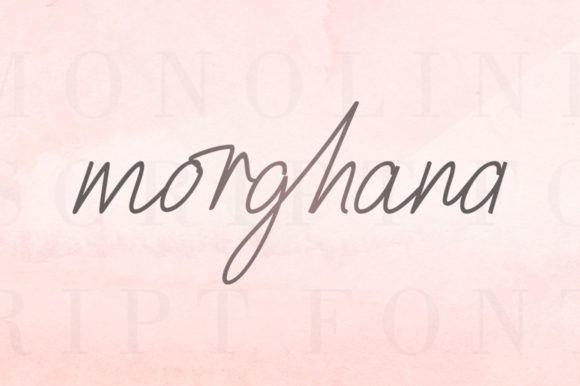
The first glance at Morghana is a quiet invitation. It doesn’t shout, but it speaks with a soft confidence that feels both elegant and personal. The letters flow with a natural rhythm, as if the hand that crafted them had a story to tell. This is not a font for loud statements—it’s more of a whisper, a subtle presence that carries weight without overwhelming. Its Script Handwritten style is refined, avoiding the chaotic energy of some similar fonts. Instead, Morghana offers a sense of sophistication that can be both modern and timeless.
Morghana feels like a trusted companion in a designer’s toolkit. It has a visual personality that leans toward the refined and artistic, making it a strong candidate for projects that require a touch of elegance or a hint of creativity. It’s not just for casual use; it has the potential to elevate branding, packaging, and editorial work. Whether used in a logo, a headline, or a decorative element, Morghana brings a level of craftsmanship that suggests care and intention.
In real-life design scenarios, Morghana performs well when used appropriately. For logo design, it adds a unique flair that can make a brand stand out. However, it’s important to consider its limitations. It’s not the best choice for long-form text due to its script nature, which can sometimes feel less legible at smaller sizes. That said, when used on large headlines or short phrases, it shines. It works particularly well in editorial design, where a touch of personality can enhance the overall aesthetic without distracting from the content.
When it comes to brand identity, Morghana can be a powerful tool. It offers a visual language that is both contemporary and classic, making it adaptable across various industries. From lifestyle brands to creative agencies, this font can help establish a cohesive visual narrative. But it’s crucial to pair it thoughtfully. A serif font like Garamond or a sans serif like Montserrat can provide the necessary contrast and balance, especially when using Morghana for display purposes.
Packaging design benefits greatly from Morghana’s visual appeal. It adds a handcrafted feel that can elevate the perceived value of a product. Whether it’s a luxury item or a boutique craft, the font can create an emotional connection with the audience. However, it’s essential to test it in black and white to ensure it maintains readability and impact without color. Small-size readability is another factor to consider—Morghana may not be the best choice for fine print or supporting text, but it excels in larger formats.
On digital platforms, Morghana holds its own. It works well in web design, especially for headers and social media graphics. Its script nature gives a dynamic quality that can engage users and add visual interest to a website. When paired with a clean sans serif font, it creates a balanced typographic hierarchy that guides the viewer’s eye effectively. In Canva templates or Cricut projects, Morghana can be a standout choice for creating custom designs that feel both professional and personal.
There are situations where Morghana should be used with caution. Large headlines might feel too ornate if overused, and brand marks may lose clarity if not carefully designed. Similarly, social posts or quotes benefit from its charm, but they shouldn’t overshadow the message. It’s also worth noting that Morghana is best suited for premium fonts and commercial design assets, so confirming proper licensing is a must before any client or business use.
Readability is a key consideration when working with Morghana. While it reads well in most cases, it’s not ideal for dense text blocks. Testing it in different environments—such as on a website, in print, or on a mobile screen—is essential. Checking spacing and letterforms closely can help identify any issues that might affect legibility. Comparing it to other typefaces, such as serif, sans serif, script, or handwritten fonts, can also provide valuable insights into how it fits within a broader design context.
Designers who use Morghana often find themselves drawn to its character. It has a certain warmth and individuality that can make a project feel more authentic. However, this same trait means it requires careful handling. It’s not a font for every project, but when it’s the right fit, it can significantly enhance the visual storytelling. Whether it’s for a blog graphic, a flyer, or a merchandise design, Morghana adds a layer of personality that can set a project apart.
In summary, Morghana is a versatile and expressive font that can enrich a wide range of design projects. Its Script Handwritten style brings a unique visual identity that can elevate branding, editorial, and packaging work. While it may not be the best choice for all applications, it’s a valuable addition to any designer’s arsenal when used with intention and care. Always test it thoroughly, confirm licensing, and consider its role within a broader typographic strategy. With the right approach, Morghana can become a reliable and impactful design asset.